Dissolvable Magnesium
Alloy Rod,
Locally Represented.
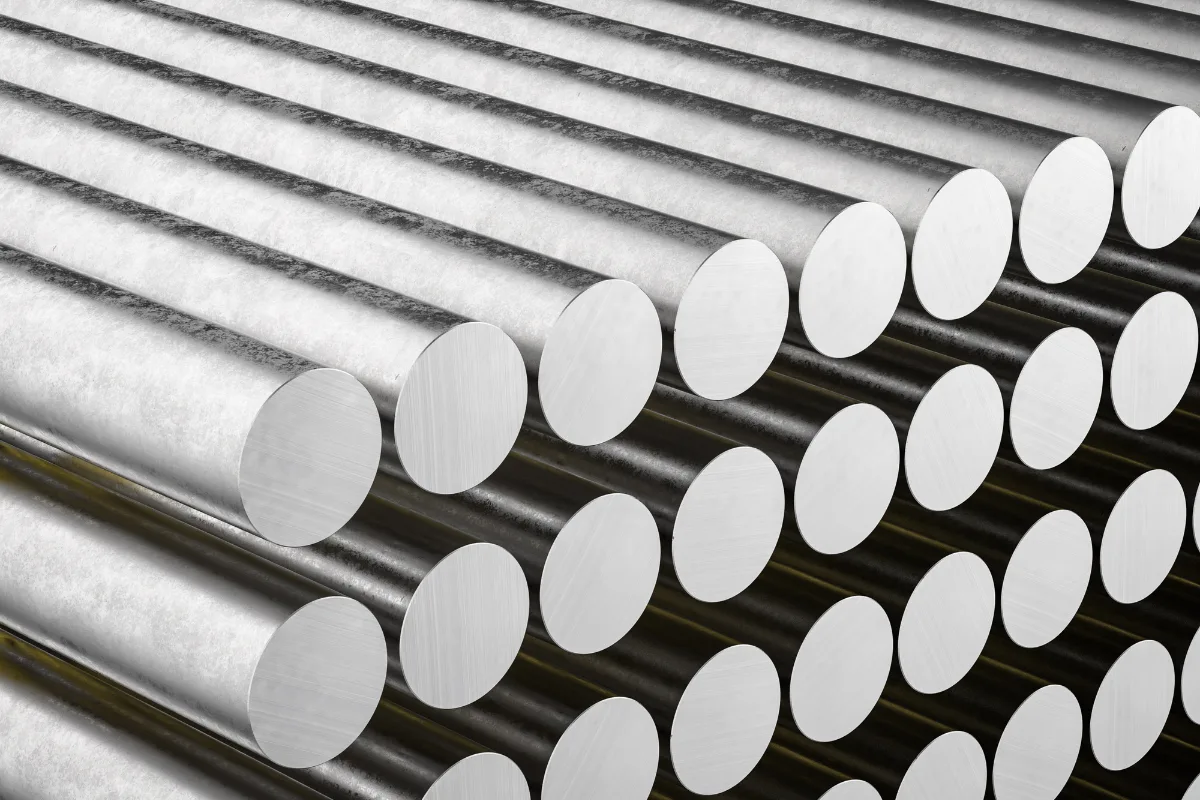
Bar stock for dissolvable frac plugs, balls and downhole tools, supplied to completion tool manufacturers in the United States and Canada. Chemistry tuned to your target window, delivered duty paid.
Dissolvable Magnesium
Alloy Rods
Engineered for oilfield applications requiring controlled dissolution. Our adjustable alloy chemistry allows precise customization of dissolution rates and mechanical properties to match your specific downhole conditions. Supplied as solid extruded round bar, 0.5–6 in (12.7–152 mm) in diameter and up to 1 m (39.4 in) long, for machining in your own shop.
Twenty-plus Production Grades
Low, medium and high service temperature families, and chemistry can be adjusted to a window you specify.
Tunable Dissolution
Reference rates from 0.4 to 800 mg/cm²·h by static immersion, reported at 93 °C in 3% KCl as standard and at other conditions on request.
Lot-to-lot Consistency
Every production lot ships with a lot-traceable mill test report covering mechanical and dissolution data.
Technical Specifications
Three service temperature families and a full strength-to-ductility spread. A grade is selected for your well, or the chemistry is tuned to a window you specify.
| Service class | Tensile / yield (min.) | Elong. | Dissolution @ 93 °C, 3% KCl |
|---|---|---|---|
| Low temperature | 110–250 / 80–200 MPa | 5–40% | 50–800 mg/cm²·h |
| Medium temperature | 160–320 / 95–240 MPa | 5–24% | 25–410 mg/cm²·h |
| High temperature | 170–450 / 100–350 MPa | 3–28% | 20–70 mg/cm²·h |
| Family | Tensile (min.) | Yield (min.) | Elongation (min.) |
|---|---|---|---|
| High strength | 240–450 MPa (35–65 ksi) | 200–350 MPa | 3–7% |
| Balanced | 210–330 MPa (30–48 ksi) | 150–240 MPa | 9–16% |
| High elongation | 110–200 MPa (16–29 ksi) | 80–140 MPa | 24–40% |
Commonly supplied today: EM-112, EM-111 and EM-110 covering 0.5 to 6 in bar, and EM-300 at 25% minimum elongation. Grade datasheets and the full grade list are available on request.
Values are minimums across the grade range on longitudinal extruded bar; individual grades are specified on their datasheet. Dissolution figures are laboratory reference values by static immersion, reported at 93 °C in 3% KCl as standard; a grade can be tested at a condition you specify, and some current datasheets report at a customer-specified 38 °C in 3% KCl. Service temperature classes are the mill’s classification of its catalogue grades, with the working window confirmed for your conditions; the grades named above are specified on their own datasheets and can fall outside these ranges. Compressive strength depends on finished-part geometry and is not specified on raw bar.
Cast Sacrificial
Magnesium Anodes
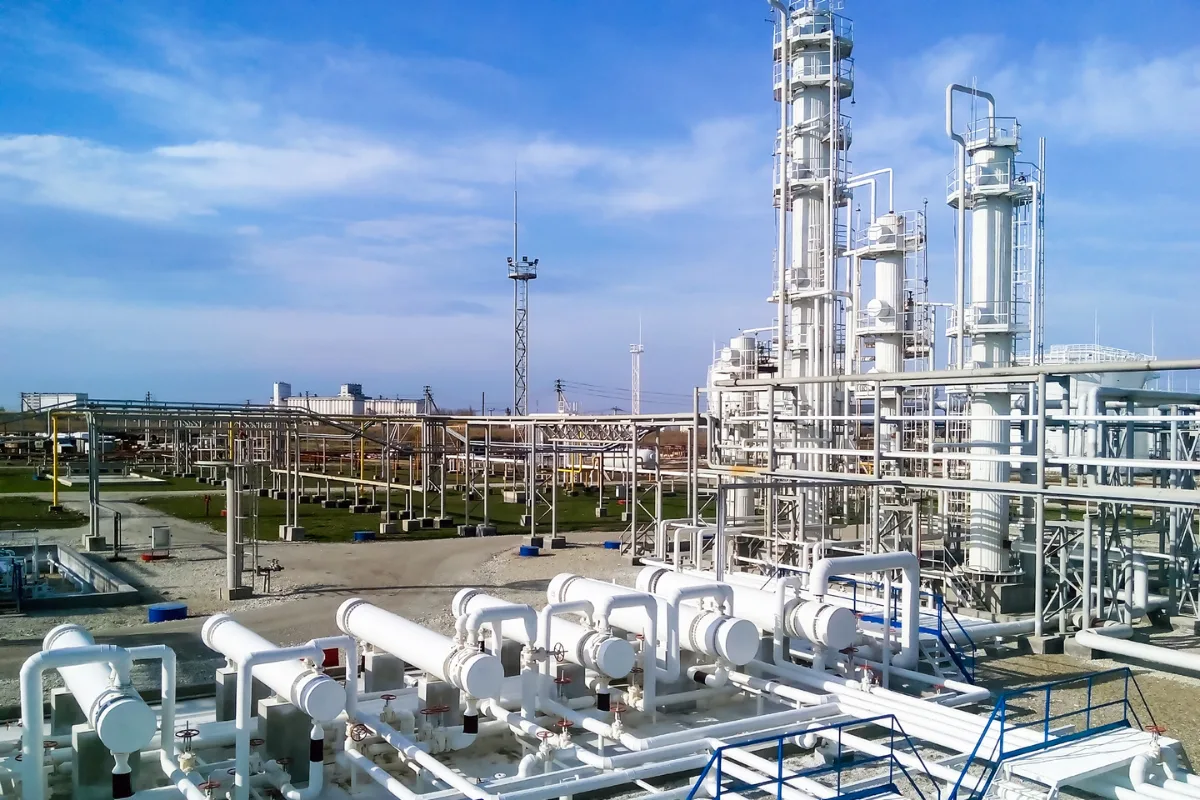
High-potential Mg-Mn alloy anodes designed for cathodic protection systems. Our bare anode export option eliminates unnecessary backfill weight, significantly reducing your freight costs.
Chemical Composition
| Element | Content | Function |
|---|---|---|
| Manganese (Mn) | 0.5% - 1.3% | Primary alloying element |
| Silicon (Si) | < 0.008% | Impurity control |
| Aluminum (Al) | < 0.008% | Impurity control |
| Iron (Fe) | < 0.03% | Controlled for performance |
Specification Naming Convention
Logistics Advantage
We export Bare Anodes to North America, saving ~20kg of useless backfill weight per unit—reducing your freight costs significantly.
The Local Advantage
Working with a North American representative means faster response times, local coordination and direct accountability.
Local Support
Close to your team.
Grade selection, sample and qualification coordination handled by a North American team, not routed through an overseas sales office.
- Grade selection support
- Sample coordination
- Lot test data for qualification
- One North American point of contact
Accountability
Direct communication.
North American representative for direct, zero-lag communication. Communication in North American time zones, no language barriers—just immediate response to your technical inquiries.
- North American time zones
- Direct technical contact
- Rapid response time
- Clear communication
Quality & Documentation
Built to specification.
Produced at a mill certified to IATF 16949, with the certified scope covering magnesium alloy extrusions. Tensile testing per ASTM E8 / B557M, with lot-traceable mill test reports and a certificate of conformance with every shipment. Certificates available on request.
- IATF 16949 certified mill
- ASTM E8 / B557M tensile testing
- Lot-traceable mill test reports
- Certificate of conformance
Frequently Asked
Questions
What grades of dissolvable magnesium alloy rod do you supply?
More than twenty production grades across three service temperature families. Tensile strength runs from 110 to 450 MPa minimum and elongation from 3 to 40% minimum, depending on grade. Commonly supplied today are EM-112, EM-111 and EM-110 covering 0.5 to 6 inch bar, and EM-300 at 25% minimum elongation. Chemistry can also be adjusted to a target you specify.
How fast do the dissolvable magnesium rods dissolve?
It depends on grade, temperature and fluid. Across the full grade range, reference rates run from 0.4 to 800 mg/cm²·h under the stated laboratory conditions, measured by static immersion. These are laboratory reference values, and the rate should be validated at your own service temperature and fluid chemistry.
Can dissolution rate and mechanical strength be customised?
Yes. The alloy chemistry is adjustable, so dissolution rate and mechanical properties can be tuned to your downhole temperature, pressure and required dwell time. Send us your conditions and we will engineer the chemistry to match.
What are dissolvable magnesium alloy rods used for?
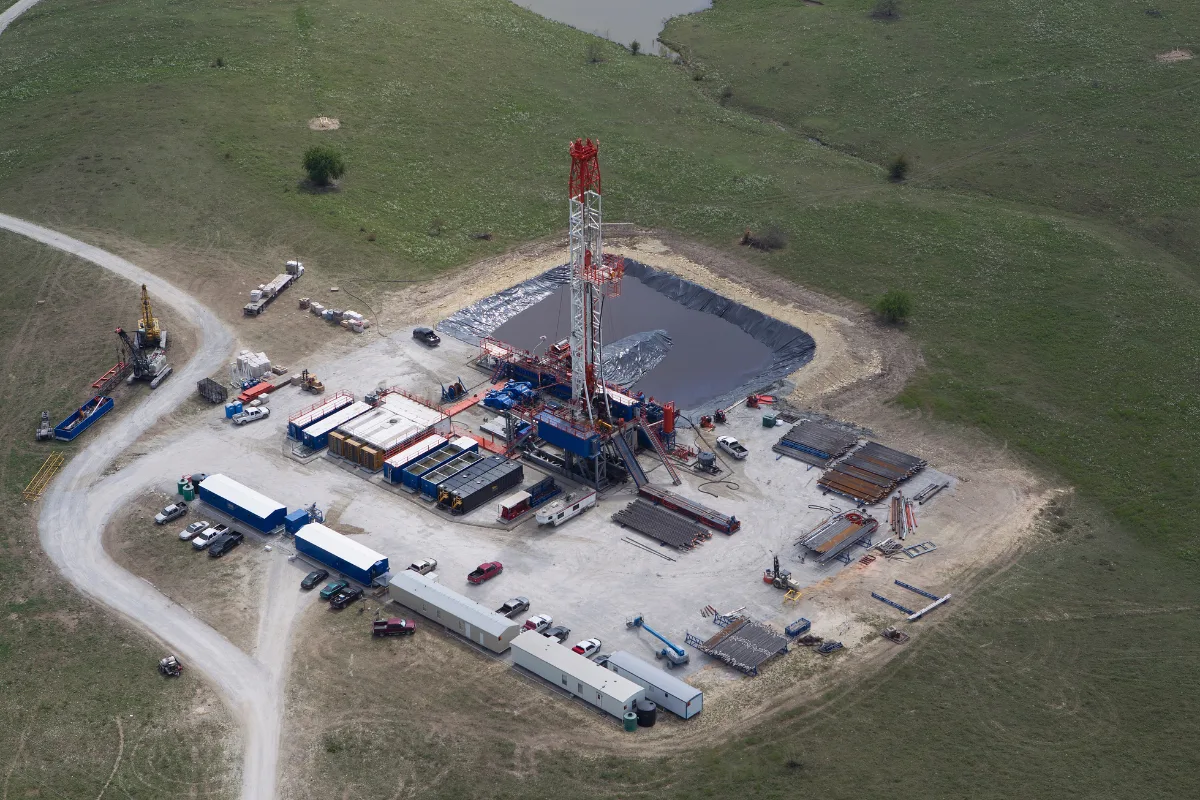
They are machined into dissolvable downhole tools such as frac plugs, frac balls and sleeves. The tool holds pressure during the completion stage and then dissolves in the wellbore fluid, which removes the need for a milling run to clear it.
What are cast sacrificial magnesium anodes used for?
They provide cathodic protection for buried and submerged steel structures, including pipelines, storage tanks and marine structures. The magnesium anode corrodes preferentially so the protected steel does not.
What is the chemical composition of your magnesium anodes?
They are high-potential Mg-Mn alloy. Manganese runs 0.5% to 1.3%. Silicon and aluminium are each held below 0.008%, and iron below 0.03%, because those impurities reduce current efficiency.
How do I read an anode specification code such as 32D5?
The code is weight, shape, then length. 32D5 is a 32 kg D-type anode that is 5 feet long. Shapes are R for round, D for D-shaped and S for square. Round anodes run 2-12 inches in diameter, D-shaped 3-8 inches wide, and square from 2x2 to 6x6 inches. Custom dimensions are available on request.
Why do you export bare anodes instead of pre-packaged ones?
A pre-packaged anode carries roughly 20 kg of backfill per unit across the ocean. Exporting bare anodes to North America removes that weight from the freight bill, and the backfill is sourced locally instead.
Do you publish compressive strength?
Not on raw bar. Compressive performance depends on the geometry of the finished part, so it is confirmed on the machined tool. Tensile strength, yield strength and elongation are specified for every grade.
Do you ship to both the United States and Canada?
Yes. We deliver duty paid (DDP) to both countries and act as importer of record, so you see one price at your dock. Air or ocean freight depending on urgency and volume.
Have a question that is not answered here? Send us your requirements and we will respond within 24 hours.
Ready to discuss
your custom chemistry?
Reach out for a technical consultation or to request a quote. Our team is ready to help you find the perfect solution for your application.